Smooth Sailing Ashore: Inclusive Adventures in Every Port
Today we explore accessible port day itineraries for travelers with limited mobility, transforming short hours ashore into relaxed, memorable experiences. Expect step-free routes, realistic pacing, lift- and ramp-friendly transport, dependable restroom planning, and smart backups that preserve energy without dimming curiosity. Whether you roll, stroll, or carefully balance endurance, these ideas help you greet each gangway with calm confidence, enjoy meaningful moments in reach of the pier, and return with time to spare. Share your favorite discoveries and subscribe for fresh, adaptable routes every season.

Planning the Day: From Ship to Shore with Confidence
Begin with certainty by confirming whether you will dock or tender, understanding that gangway slope, tide changes, and crew procedures influence comfort and safety. Ask the shore team for step-free port maps, accessible shuttle details, and priority disembarkation guidance. Define a realistic distance radius, schedule generous buffers, and choose one or two high-value stops near the waterfront. A balanced plan protects energy, reduces stress, and opens space for spontaneous joy, like a scenic bench, a peaceful plaza, or a leisurely café break.
Check Docking Details Early
Docking typically offers the smoothest roll-off, while tendering requires careful confirmation about wheelchair acceptance, ramp angle, and assistance policies. Ask for exact tender specifications, including ramp width, weight limits, and crew support. Confirm the gangway setup time window, since tidal shifts change gradients. Note the distance from the pier to shuttle pickup, and request staff guidance if surfaces are uneven. A short pre-walkthrough using satellite view can reveal curbs, barriers, or alternative gates before you commit precious time.
Time Buffers That Save the Day
Build slack between every segment because elevators, shuttles, and accessible entrances often draw longer queues. Add at least fifteen minutes per transfer, and schedule a mid-visit rest to recharge. Weather, traffic, or exhibit crowds can shift your pace, so anchor the day with a clear turnaround time for the return journey. By protecting the final hour, you keep the experience relaxed and avoid rushed exits. Buffers are not wasted minutes; they are your ticket to breathing room and unexpected moments.

Confirm Lift-Equipped Vehicles
When reserving taxis or private vans, verify ramp width, weight limits, interior headroom, and tie-down availability. Ask drivers about curbside loading, flat boarding spaces, and patience with securement procedures. Screenshot confirmations, and save a second provider as backup. If using a scooter or power chair, share dimensions and battery weight in advance. Request a message upon arrival to avoid unnecessary waiting outdoors. Small details like ramp angle on sloped streets can influence comfort, so insist on clear answers before committing.

Master Local Public Transit Access
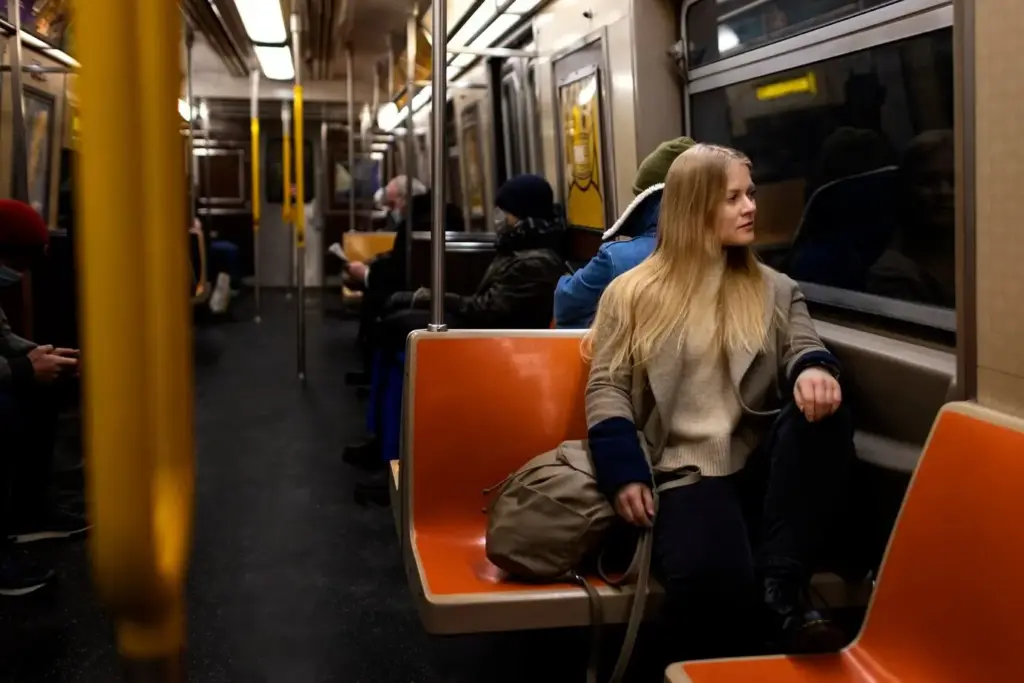
Download official transit apps for live arrivals, low-floor indicators, and elevator outage alerts. Study station diagrams to find step-free paths and check whether accessible ticket gates exist. Consider day passes to reduce fumbling at busy stops. Board through designated doors, secure your device safely, and confirm disembarkation ramps are deployed. If a critical elevator fails, switch to a surface bus, or pivot to nearby attractions within your comfortable radius. With a little prep, public transit can be surprisingly calm and empowering.
Routes with Heart: Short Distances, Big Stories
The 500-Meter Wonder Loop
Design a loop within five hundred meters of the pier, linking a scenic overlook, a welcoming café, and a small cultural venue with dependable access. Follow smooth waterfront paths, avoid steep side streets, and cross at curb-cut corners. If crowds swell, shift to parallel promenades or shaded benches. Add time to linger, sketch, or photograph without pressure. The short loop mentality encourages depth, conversation, and breathing space, while still delivering a sense of place you will remember long after sail away.
One Landmark, Two Viewpoints
Choose a single landmark and savor it fully from two accessible perspectives: a step-free exterior plaza for sweeping photos, and an interior gallery or terrace reachable by elevator. Buying timed tickets reduces waiting, and accessible entrances frequently bypass stairs entirely. If surfaces are uneven nearby, approach from the flattest side streets, then exit along smoother routes. Bringing a lightweight seat or identifying nearby benches lets you pause comfortably. One destination, seen well, often beats three rushed stops with frustrating detours.
Choose Seated Experiences
Seek activities that offer meaningful connection with comfortable seating: storytelling tours, tasting flights with level entry, harbor trams with ramps, or accessible boat cruises with secure boarding. Seated experiences keep energy steady while maximizing local culture. Confirm audio guides, captions, or induction loops if hearing support is helpful. Ask staff about step-free restrooms and quiet spaces for breaks. These experiences suit mixed-ability groups beautifully, creating shared memories without overexertion. Comfort and culture can absolutely coexist when seated options lead the itinerary.
Facilities You Can Trust: Restrooms, Seating, and Shade
Dependable facilities transform a plan into a pleasure. Map accessible restrooms at museums, malls, transit hubs, and visitor centers before leaving the ship. Confirm door widths, turning space, and grab bars where possible. Identify shaded squares, indoor atriums, and cafés with stable seating for scheduled rests. Hydration, layers, and weather-aware gear protect comfort in changing conditions. Avoid surprises by learning local key systems, signage, and etiquette. A day built around predictable facilities reduces stress and leaves more room for wonder.

Real-World Examples You Can Copy
Translate planning into practice with compact, step-aware ideas from popular ports. Each mini-route prioritizes surfaces, short transfers, accessible restrooms, and satisfying stories close to the pier. Use them as starting points and adjust to your energy, interests, and timing. Ask local staff for live updates on elevators, ramps, or construction. Remember, a beautiful day is one you comfortably complete with a smile. Borrow freely, modify boldly, and share your refinements so others voyage with greater ease.
Barcelona: Waterfront to Gothic Gems, Step by Step
Begin along the smooth Port Vell promenades, crossing the gently ramped Rambla de Mar boardwalk toward Maremagnum, which offers elevators, accessible restrooms, and shaded seating. Continue to the Maritime Museum with step-free entry and engaging exhibits. If the central Ramblas feel bumpy, detour on parallel streets with even paving toward a quiet café. Accessible buses near the waterfront connect key points when energy dips. Finish with harbor views and an unhurried return, buffered by extra time for elevators and crowds.
Copenhagen: Harbor Breezes and Royal Courtyards
Follow even sidewalks from the pier toward the waterfront, minding cobblestones by choosing smoother parallel stretches. Enjoy Nyhavn’s colorful façades from level quayside areas, then continue to Amalienborg’s spacious squares, with step-free vantage points ideal for photos. Many city buses are low-floor with ramps; confirm routes and elevator status in transit apps. Identify accessible restrooms at the Royal Danish Playhouse or nearby venues. If harbor buses operate accessible vessels that day, ride one stop for views, then return via a gentle, shaded route.
Juneau: Waterfront Views and Tram-Level Thrills
Roll the flat waterfront near the docks for easy scenery, then head to the Mount Roberts Tramway, whose cabins accommodate wheelchairs for sweeping panoramas without long walks. Check weather before ascending and plan time for the accessible visitor center at the top. Visit the Alaska State Museum’s step-free galleries and dependable facilities. If rain arrives, pivot to covered boardwalks or a nearby café. With short distances, clear wayfinding, and elevator access, Juneau delivers big Alaskan character within a compact, comfortable footprint.
Smart Gear and Digital Helpers
Technology and thoughtful packing keep plans flexible. Download offline maps, save emergency contacts, and store confirmations with addresses in local scripts. Carry a power bank, spare charging cables, a lightweight gel cushion cover, and rain protection for mobility devices. Keep medical documentation and a concise access request card translated into the local language. Use live transit updates to reroute around elevator outages. With backup supplies and information at hand, small setbacks stay small, and your energy serves discovery, not logistics.
All Rights Reserved.